Ridge Vent Installation Floresville: What Homeowners Should Know About Attic Heat Ventilation
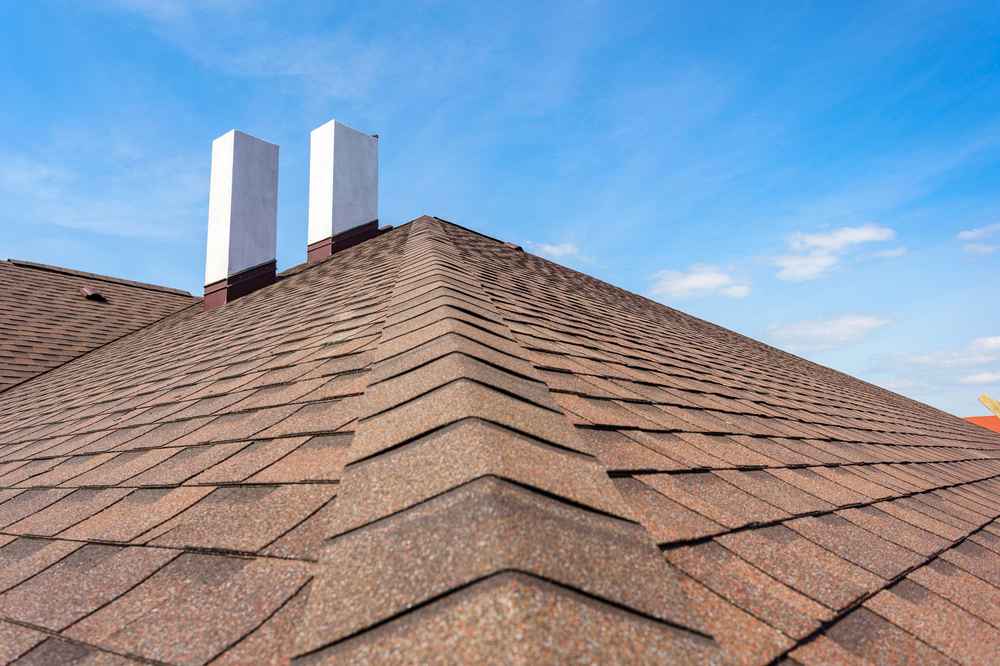
Ridge vent installation in Floresville helps improve attic heat ventilation by allowing hot air to escape through the peak of your roof while cooler air enters through intake vents. In Texas heat, this kind of airflow reduces attic temperatures, lowers energy demand, and helps protect your roofing system over time.
If you’ve spent a summer in Floresville, you know how quickly the heat builds. Step into your attic in the afternoon, and the temperature difference is immediate. That trapped heat doesn’t just stay above your ceiling. It slowly pushes into your living space and forces your cooling system to work harder.
This is where a properly designed ventilation system makes a difference. A well-executed ridge vent installation in Floresville allows that trapped heat to escape instead of building up day after day. When airflow is balanced correctly, your attic becomes part of a working system rather than a heat trap.
Key Takeaways
- Ridge vents help release trapped heat from the attic
- Proper attic ventilation improves indoor comfort and energy efficiency
- Managing heat buildup supports longer roof performance
If your home feels harder to cool during peak summer months, Rox Roofing can help.
Why Attic Heat Ventilation Matters in Floresville
Before jumping into solutions, it helps to understand how heat behaves in your attic.
Attic heat ventilation refers to how effectively air can move through your attic space. Without proper airflow, heat accumulates quickly, especially during long stretches of hot weather.
In Floresville, this becomes a consistent issue due to:
- Extended high temperatures
- Direct sunlight on roofing surfaces
- Older or unbalanced ventilation systems
As heat builds, it doesn’t stay isolated. It begins to affect the entire home.
This is where ridge vent installation in Floresville becomes important. By giving hot air a clear exit point, you prevent that buildup from reaching extreme levels.
Over time, poor ventilation can lead to:
- Increased indoor temperatures
- Higher cooling costs
- Faster wear on roofing materials
With proper attic heat ventilation, that cycle is controlled before it becomes a bigger problem.
What to Know Before Installing a Ridge Vent
Once you understand the impact of attic heat, the next step is making sure the solution is set up correctly.
Existing Ventilation Setup
A ridge vent system depends on intake airflow. Without soffit vents bringing in cooler air, heat cannot move out efficiently.
Roof Layout and Design
The shape and pitch of your roof influence how well ventilation performs. Some homes require adjustments to create balanced airflow.
Material and System Selection
Not all ridge vents perform the same. Choosing the right product affects how efficiently heat is removed.
Timing the Installation
Many homeowners add ridge vents during a roof replacement, but improvements can sometimes be made to existing systems.
Installation Accuracy
Even a well-designed system can fall short if it’s not installed properly.
Each of these factors plays a role in how well your attic ventilation performs once the system is in place.
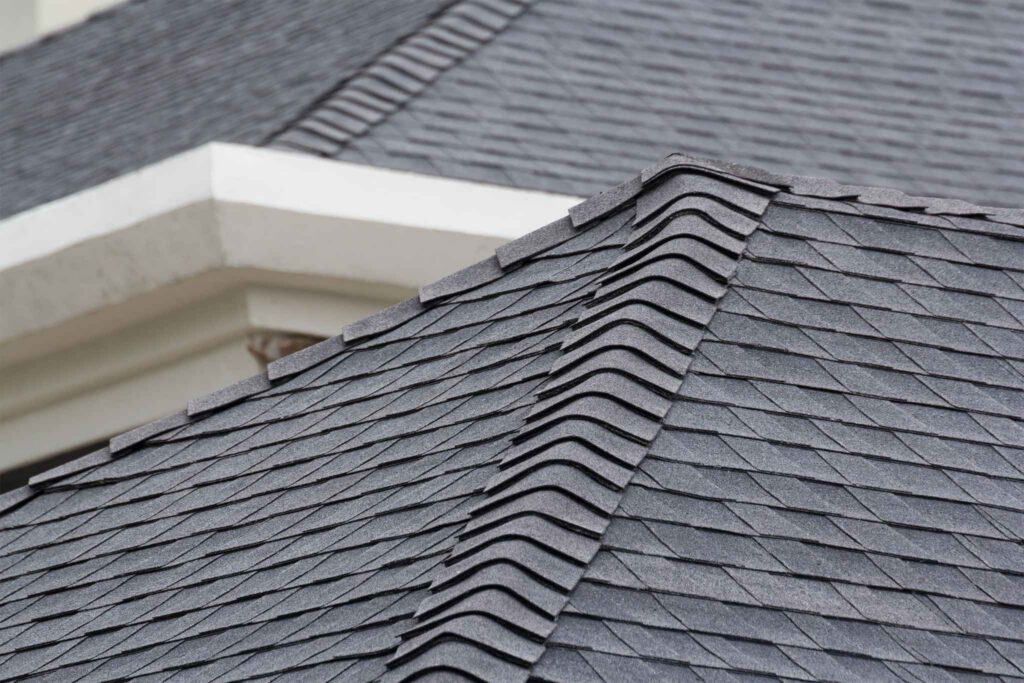
How Ridge Vent Installation Improves Attic Heat Ventilation
With the right setup, ridge vents create a continuous flow of air through your attic.
1. Creates a Natural Escape for Heat
Hot air rises and collects at the highest point of your roof. Ridge vents allow that heat to exit instead of remaining trapped.
2. Reduces Heat Transfer Into Living Spaces
As attic temperatures drop, less heat moves into your home, helping stabilize indoor comfort.
3. Protects Roofing Materials Over Time
Excess heat accelerates material breakdown. Better airflow helps reduce that long-term stress.
4. Supports Consistent Airflow
When paired with intake vents, ridge vents create a steady movement of air rather than isolated pockets of heat.
Ridge Vent vs Other Ventilation Options
At this point, it helps to look at how ridge vents compare to other ventilation methods.
| Vent Type | How It Works | Pros | Limitations |
| Ridge Vent | Exhausts hot air at roof peak | Even airflow, low profile | Requires intake airflow |
| Box Vents | Static vents near roof surface | Simple installation | Uneven ventilation |
| Turbine Vents | Wind-powered exhaust | Active airflow | Depends on wind |
| Powered Fans | Electrically removes hot air | Strong airflow | Higher cost, maintenance |
For homes dealing with sustained heat, ridge vents provide a more consistent and balanced approach to attic ventilation.
Why Balanced Ventilation Matters
At this stage, it’s important to look beyond the vent itself and focus on the system as a whole.
A ridge vent alone does not solve ventilation issues. It works as part of a balanced system that includes intake airflow.
Here’s how it works:
- Cooler air enters through soffits
- Warmer air exits through the ridge
Without that balance, airflow slows down and heat remains trapped.
This is why proper attic heat ventilation depends just as much on intake as it does on exhaust.
When Ridge Vent Installation Makes the Most Sense
Now that you understand how the system works, the next question is timing.
Homeowners usually benefit most from improving ventilation when:
- Replacing an aging roof
- Noticing excessive attic heat
- Experiencing rising energy costs
- Dealing with uneven indoor temperatures
If your attic consistently feels overheated, it’s often a sign that airflow isn’t working the way it should.
What Happens Without Proper Attic Ventilation?
Without proper airflow, heat continues to build over time.
In homes with poor ventilation, we commonly see:
- Trapped heat in attic spaces
- Increased cooling demand
- Faster roof material wear
- Inconsistent indoor temperatures
These issues develop gradually, but they all trace back to one root cause: inadequate attic airflow.
Signs Your Attic May Need Better Ventilation
If you’re unsure whether your attic is ventilating properly, there are a few clear indicators.
- Rooms that feel warmer than others
- High cooling bills during summer
- Attic spaces that remain extremely hot
- Early signs of roof wear
These symptoms usually point to poor attic heat ventilation rather than isolated issues.
Deep Dive: Why Ridge Vent Systems Perform Well in Texas Heat
When you step back and look at long-term performance, ridge vents stand out because they address the core issue: heat buildup.
In hot climates like Floresville, roofing systems are exposed to constant sun and high temperatures. Without proper airflow, that heat has nowhere to go.
Why This System Works
- It allows heat to escape continuously
- It doesn’t rely on mechanical components
- It supports consistent airflow throughout the day
What We See in the Field
We’ve inspected homes where ventilation systems were incomplete or unbalanced. In some cases, ridge vents were installed without proper intake airflow, limiting their effectiveness.
Once airflow is corrected, attic conditions improve, and the overall system performs the way it should.
Pros and Cons of Ridge Vent Systems
Pros
- Improves attic heat ventilation
- Reduces cooling strain
- Supports long-term roof performance
- Requires minimal maintenance
Cons
- Depends on proper system balance
- Requires correct installation
Ridge Vent Installation Floresville FAQs About Attic Heat Ventilation
As you start evaluating attic heat ventilation and whether ridge vent installation makes sense for your home, a few common questions tend to come up. Here are clear answers to help you understand how these systems work in real conditions.