If you’ve lived in Garden Ridge for even a single summer, you know our afternoon sun doesn’t mess around. By July, the heat bouncing off the pavement is intense, and your air conditioning unit is likely working overtime just to keep your living room livable. While most neighbors consider upgrading their AC units or adding heavy curtains to block out the glare, they often overlook the biggest heat magnet on the property: the roof.
In South Texas, your shingle color isn’t just about matching the neighborhood aesthetic or pleasing the HOA. It acts as the frontline defense for your home’s climate control, directly affecting how much ambient heat penetrates your attic and how hard your cooling system has to work to keep up. Choosing the right shade can be the turning point for your utility budget.
At Rox Roofing, we’re all about helping our neighbors understand the “why” behind their home maintenance. We believe that an educated homeowner is a smart homeowner, and when it comes to beating the Texas heat, the color of your shingles plays a massive role in your monthly bills.
Key Takeaways
- Solar Absorption: Dark shingles absorb up to 80% of solar heat, pushing attic temperatures to extreme levels.
- Reflective Savings: Choosing energy-efficient roof colors can slash your summer cooling energy usage by 10% to 20%.
- Material Longevity: Cooler roofs face less thermal expansion and contraction, which helps your shingles last longer.
If you’re starting to see your electric bills climb along with the summer temperature, let’s take a look together. Schedule your free, no-pressure inspection today.
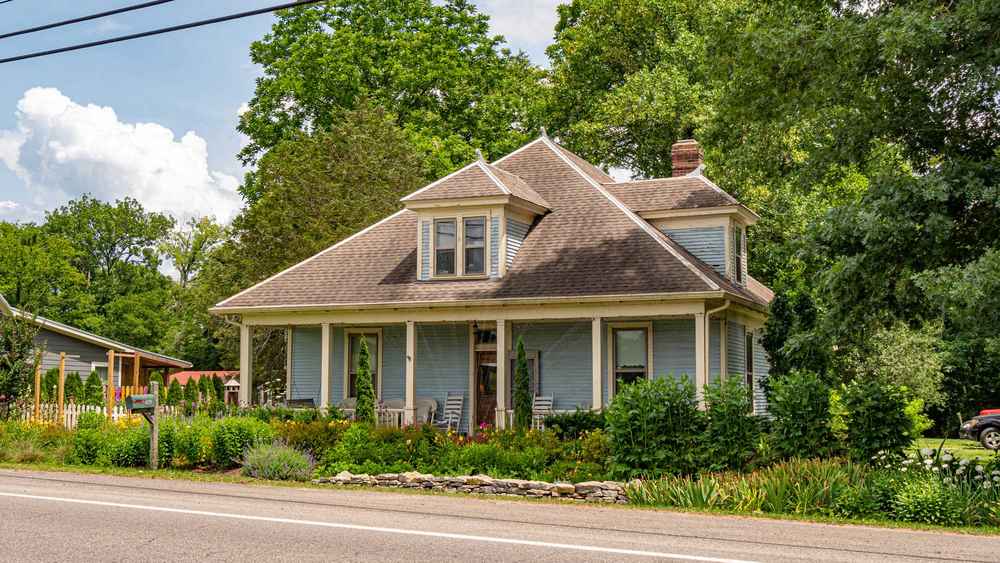
The Plain English Physics of Roof Colors in Garden Ridge
It’s no secret that walking across a dark asphalt driveway barefoot in August is a bad idea, and the same principle applies to your roof deck.
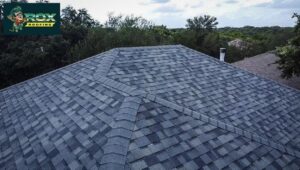
When the sun beats down on a traditional dark charcoal or deep brown roof, those shingles act like a giant sponge for radiant heat. On a standard 95-degree day, a dark roof surface can easily spike past 150°F.
Here’s what that means for you: all that trapped heat has to go somewhere, so it migrates straight down into your attic space. Once your attic turns into an oven, that heat leaks through your ceiling, forcing your air conditioner to run longer, harder, and more frequently.
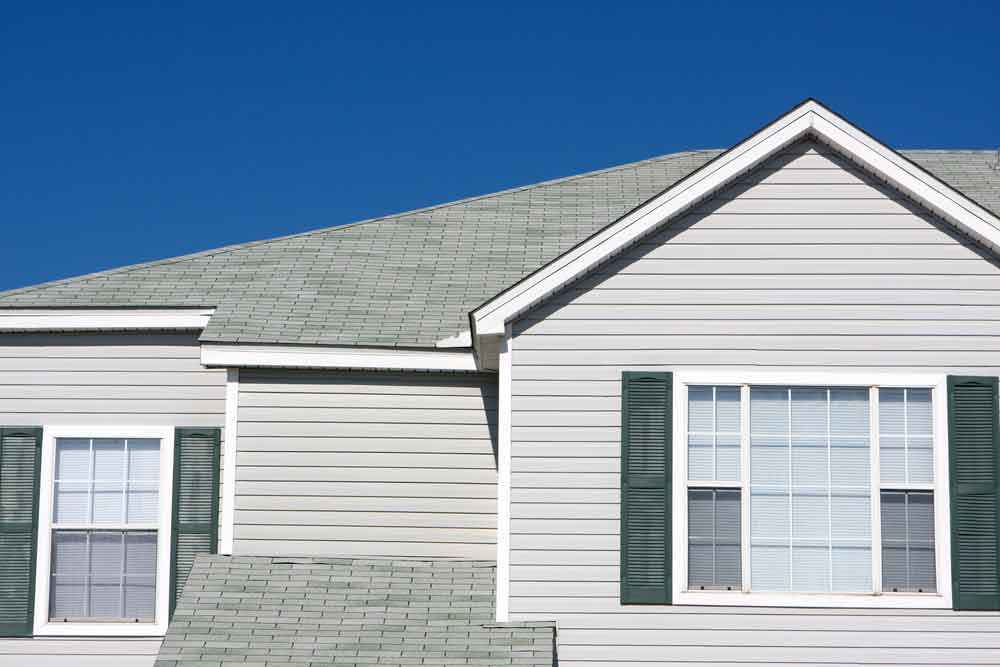
Lighter choices, like light gray, tan, or beige, do the exact opposite. They act more like a mirror, reflecting a massive chunk of that solar energy right back into the sky. A lighter roof can stay anywhere from 20 to 50 degrees cooler than a dark one under identical weather conditions, keeping your attic temperature manageable and giving your HVAC system a much-needed breather.
If you want to find out how much heat your current system is trapping, we can help. Let’s take a look together.
Important Factors to Consider Before Changing Your Roof Color
Before you run out and pick the brightest white shingle on the market, there are a few practical local elements you need to weigh:
HOA Rules
Many planned communities around Garden Ridge have strict guidelines regarding curb appeal and might veto a blindingly bright white roof.
Stain Visibility
Light shingles are champions at reflecting heat, but they show dark streaks from airborne algae, oak tree pollen, and dirt much faster than dark shingles.
Attic Environment
A cool color helps significantly, but it works best when paired with healthy attic insulation and balanced ventilation.
Home Architecture
The roof needs to complement your exterior brick, stone, or stucco without looking completely out of place next to your neighbors.
How Cool Roof Shingles in Texas Actually Save You Money
Let’s talk about the numbers because that’s what lands in your mailbox every month from the electric company.
When you install cool roof shingles in Texas, you are actively reducing your home’s total thermal load. Because the surface stays cooler, homeowners in our climate often see a direct 10% to 20% drop in their peak summer cooling costs.
Let’s break down what that looks like over time:
- Monthly Utility Relief: If your summer electric bill usually hovers around $200, switching to a highly reflective shade could shave $20 to $40 off that single month.
- The Extended Payback: While advanced reflective shingles may carry a slight upfront premium, the energy savings typically offset that extra cost within 3 to 7 years.
- Less Thermal Stress: Because a cooler roof doesn’t fluctuate as wildly in temperature between noon and midnight, the shingles experience less expansion and cracking, meaning fewer mystery leaks and roof repairs down the road.
We’ve seen this before, and we know exactly how to balance energy efficiency with local style. Let’s take a look together. Schedule your free, no-pressure inspection today.
Best Energy-Efficient Roof Colors for South Texas Homes
If you want to maximize your savings without making your home look out of character, these are the top shades we recommend for our local climate.
- Light Gray: A fantastic modern option that pairs beautifully with dark trim or stone accents while offering great solar reflectance.
- Beige and Sand Tones: Warm neutrals that blend seamlessly with the classic Texas limestone and stucco exteriors common in our area.
- Light Tan: Gives you a traditional, earthy look while staying significantly cooler than a deep cedar or dark brown shade.
- Soft Taupe: A solid mid-tone compromise if your neighborhood association doesn’t allow very pale or light shades.
Thanks to modern manufacturing, you don’t always have to settle for a stark white roof to get these benefits. Many modern cool roof shingles in Texas feature specially engineered, highly reflective granules embedded directly into the shingle, allowing you to achieve great thermal performance even with medium-toned colors.
Ready to see some samples against your own brick or siding? Let’s take a look together. Schedule your free, no-pressure inspection today.