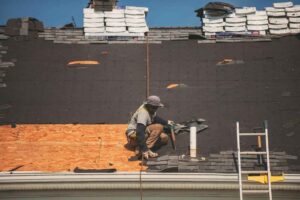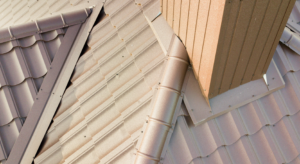
Roof underlayment in Fair Oaks Ranch is the protective layer installed beneath shingles to help prevent water intrusion during storms or shingle wear. For many Texas homes, synthetic roof underlayment offers better durability, stronger moisture resistance, and longer performance compared to traditional felt, making it a smart choice for long-term roof protection.
If you’ve lived in Fair Oaks Ranch through a few spring storms, you’ve seen how quickly conditions can shift. One minute it’s dry, the next you’re dealing with wind-driven rain and sudden temperature changes. When that happens, your shingles take the initial impact, but it’s the underlayment beneath them that continues protecting your home.
That’s why understanding your roof underlayment in Fair Oaks Ranch matters more than most homeowners realize. The material you choose, especially when comparing felt to synthetic underlayment options, plays a direct role in how your roof holds up over time.
Key Takeaways
- Roof underlayment acts as a secondary moisture barrier beneath shingles
- Synthetic options perform better in Texas heat and storm conditions
- Installation quality is just as important as material selection
If you’re planning a roof replacement or want clarity on your current system, Rox Roofing can help.
What Is Roof Underlayment and Why It Matters in Fair Oaks Ranch
Before comparing materials, it helps to understand what underlayment actually does.
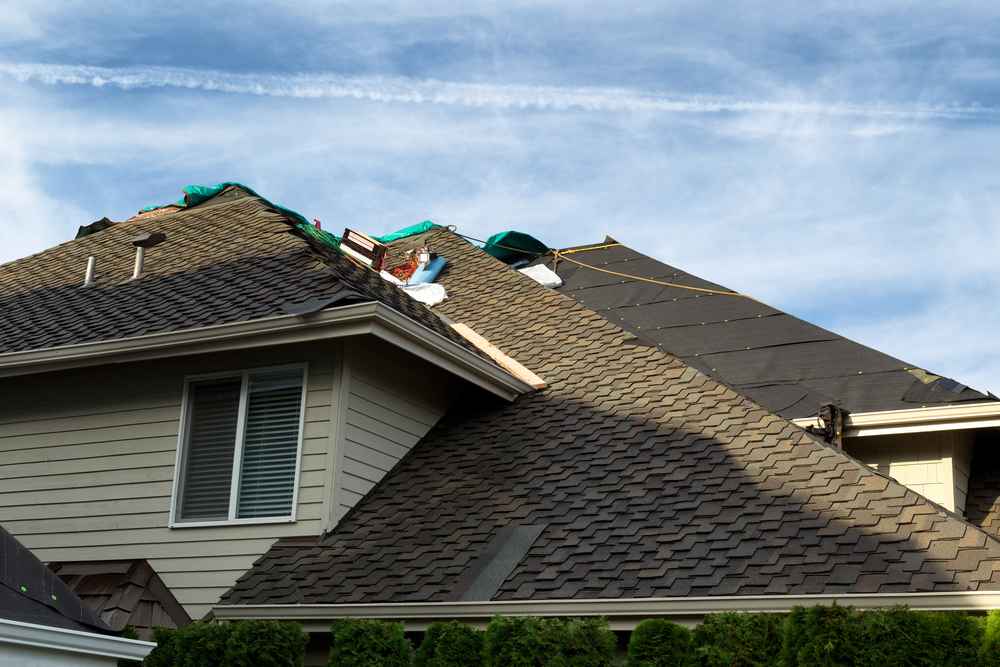
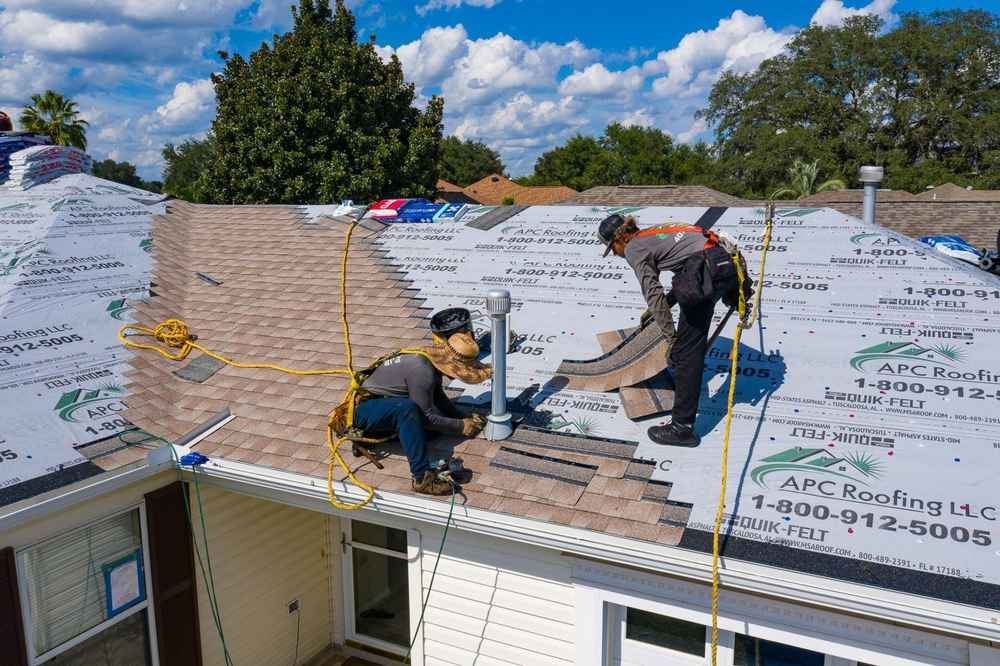
Roof underlayment is installed directly over your roof deck and beneath your shingles. Its purpose is to act as a backup layer of protection when water gets past the outer roofing material.
In Fair Oaks Ranch, that backup layer becomes especially important due to local weather patterns.
- Sudden storms bring wind-driven rain
- Intense heat accelerates material wear
- Temperature swings create expansion and contraction
Because of this, your roof underlayment system often determines whether minor exposure turns into a leak or stays contained.
Homeowners typically choose between:
- Traditional felt underlayment
- Synthetic roof underlayment
While both serve the same role, synthetic materials are becoming more common in this area because they handle heat and moisture more effectively.
What to Know Before Choosing Roof Underlayment in Fair Oaks Ranch
Once you understand the role underlayment plays, the next step is choosing the right system for your home.
Roof Age and Replacement Timing
If your roof is nearing the 15–20 year range, upgrading to a modern underlayment system during replacement helps prevent future issues.
Budget vs Long-Term Value
While synthetic roof underlayment costs more upfront, it often reduces the likelihood of moisture-related repairs later.
Installation Quality
Even high-performance materials can fail if not installed correctly. Proper overlap, fastening, and sealing are critical.
Roof Design and Water Flow
Homes with valleys, penetrations, or multiple slopes rely more heavily on underlayment performance.
Warranty Requirements
Many roofing systems require specific underlayment types to qualify for full warranty coverage.
Taken together, these factors show that choosing the right roof underlayment in Fair Oaks Ranch is about long-term reliability, not just initial cost.
Synthetic Roof Underlayment vs Felt: Which Performs Better for Fair Oaks Ranch Homes?
Now that you understand how roof underlayment works, the next step is comparing your options in a practical way. When deciding between materials, it helps to look at how each one performs under real conditions, especially in a climate like Fair Oaks Ranch.
Instead of reviewing each material separately, here’s a side-by-side comparison to make the differences clear.
Key Differences Between Synthetic and Felt Underlayment
| Feature | Synthetic Roof Underlayment | Felt Underlayment |
| Durability | Highly tear-resistant and stable in heat | More prone to tearing and breakdown |
| Water Resistance | Repels water and maintains structure | Absorbs moisture and can wrinkle |
| Performance in Texas Heat | Designed to handle high temperatures | Breaks down faster under prolonged heat |
| Installation | Lightweight and easier to install | Heavier and more fragile |
| Longevity | Longer-lasting and more reliable | Shorter lifespan |
| Best Use Case | Long-term protection in storm-prone areas | Budget-focused, short-term solution |
For most homes, this comparison makes the decision more straightforward. While felt underlayment may still be used in some cases, synthetic roof underlayment provides more consistent performance in heat, rain, and wind exposure.
We’ve seen this firsthand during inspections. Roofs with older felt underlayment are more likely to show signs of moisture intrusion over time, even when the shingles appear to be in decent condition.
If you’re planning a replacement, upgrading the roof underlayment in Fair Oaks Ranch to a synthetic option can help reduce the risk of hidden damage and improve the overall lifespan of your roofing system.
If you’re not sure what type of underlayment your roof currently has, we can take a look and walk you through it.
What Happens If Roof Underlayment Fails?
When underlayment stops performing, the effects usually show up below the surface first.
In homes across this area, we commonly see:
- Water intrusion beneath shingles
- Decking deterioration
- Increased attic moisture
- Reduced overall roof lifespan
Because underlayment isn’t visible, these issues often develop quietly before becoming noticeable inside the home.
That’s why the quality of your roof underlayment in Fair Oaks Ranch plays such a critical role in long-term protection.
Signs Your Roof Underlayment May Be Failing
While underlayment isn’t visible, certain warning signs can point to issues with the system beneath your shingles.
- Recurring leaks after storms
- Water stains without obvious shingle damage
- Roof approaching the end of its lifespan
- Previous repairs that didn’t fully resolve issues
These situations often indicate that the underlayment layer is no longer performing as intended.
Deep Dive: Why Synthetic Roof Underlayment Performs Better in Fair Oaks Ranch Conditions
By the time homeowners start comparing materials, the differences between felt and synthetic underlayment become more than just technical details. In a climate like Fair Oaks Ranch, those differences show up in how well your roof holds up year after year.
Roofs in this area are exposed to a combination of prolonged heat, sudden storms, and seasonal wind events. That constant stress puts pressure on every layer of the system, especially the underlayment.
Why Synthetic Underlayment Holds Up Better Locally
Synthetic roof underlayment is built to handle the conditions that are common across South Texas.
- It maintains its strength under high heat instead of drying out or becoming brittle
- It resists water intrusion during heavy rain and wind-driven storms
- It stays stable during temperature swings that cause expansion and contraction
These characteristics make a noticeable difference over time, especially on roofs that deal with repeated storm exposure.
What We See on Real Roofs
We’ve inspected roofs where traditional felt underlayment had already started to break down, even when the shingles still looked acceptable from the ground. In those cases, moisture had worked its way beneath the surface, leading to soft decking and hidden damage.
We’ve also seen situations where underlayment was installed incorrectly. Poor overlap, exposed fasteners, or shortcuts during installation allowed water to bypass the barrier entirely.
These aren’t uncommon issues. In fact, they’re some of the most consistent problems we find during inspections in this area.
Why Installation Matters as Much as Material
Even the best synthetic roof underlayment won’t perform properly if it’s not installed correctly.
A reliable underlayment system depends on:
- Proper layering and overlap
- Correct fastening placement
- Sealing vulnerable areas like valleys and penetrations
When those details are handled correctly, the underlayment works the way it’s supposed to, as a true secondary barrier beneath your shingles.
Pros and Cons to Consider
Synthetic Roof Underlayment
Pros:
- Holds up in Texas heat
- Provides stronger moisture resistance
- Designed for long-term performance
Cons:
- Higher upfront cost
Felt Underlayment
Pros:
- Lower initial cost
- Familiar material for basic installations
Cons:
- Breaks down faster in heat
- Absorbs moisture more easily
- Less reliable over time
How This Impacts Your Roof Long-Term
When underlayment performs well, it helps protect everything beneath it, from your roof deck to your attic space. When it fails, the damage often spreads quietly before becoming visible inside your home.
That’s why choosing the right roof underlayment in Fair Oaks Ranch, and making sure it’s installed correctly, plays such a key role in how your roof performs over the long run.
At Rox Roofing, we focus on both sides of that equation. We recommend materials that match local conditions, and we install them with the level of detail required to prevent the kinds of issues we see too often on poorly built roofs.
Roof Underlayment Questions Fair Oaks Ranch Homeowners Ask Most
As homeowners start to understand how important underlayment is, a few key questions tend to come up. Here are clear, straightforward answers to help you make informed decisions about your roofing system.