When winter rolls into South Texas, it usually doesn’t start with snow; it starts with surprise cold snaps. One day you’re in shorts on the patio, and the next morning you’re chipping ice off your windshield. Those fast temperature swings put real stress on your roof, and if you’re not ready, small issues can turn into leaks before spring even arrives.
At Rox Roofing, we’ve lived through enough South Texas winters to know the freeze‑thaw cycle can be sneaky. Even without heavy snow, we still see ice dams on roofs cause damage, brittle shingles, and flashing failures caused by cold nights and warm afternoons. The good news? With a little prep, you can give your home the best roof for winter in our region.
Key Takeaways
- South Texas freeze‑thaw cycles can cause cracking, leaks, and ice-dam roof damage even without snow.
- Winter‑ready roofs rely on clean gutters, good insulation, and sealed flashing.
- The best roof for winter in Texas is one that’s been inspected and tuned up before temperatures drop.
If you’re not sure how winter‑ready your roof is, Rox Roofing’s local team is happy to take a look. Schedule your free inspection and get honest insight, no pressure.
Breaking Down the Best Roof for Winter in South Texas
When folks hear winter roof prep, they think of snow piles and ice sheets, but our biggest threats in San Antonio and the surrounding Hill Country come from freeze‑thaw stress. That cycle causes roofing materials to expand during the day and contract at night. Over time, that movement creates cracks, loose shingles, and gaps around vents or chimneys.
Here’s what that means for you:
- Asphalt shingles get brittle and can crack when temps drop fast.
- Moisture slips into small gaps, freezes overnight, and widens openings. This is how ice dam roof damage starts here.
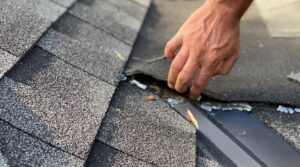
- Flashing can warp, leaving easy pathways for water to move under the roof.
South Texas doesn’t follow “normal winter patterns.” You might go from freezing at sunrise to 65° by lunch. That’s why prepping early gives you the best roof performance and the least stress, all season long.
Important Factors to Consider Before Choosing the Best Roof for Winter
To get your roof ready for winter, you don’t have to replace the whole thing. But you do want to look at a few key areas before cold weather kicks in. Ask yourself these homeowner‑friendly questions:
Budget,
What makes sense right now?
If you’re not ready for a full replacement, spot repairs or sealing problem areas can help prevent bigger winter issues.
Gutter Condition
Are they draining well?
Clogged gutters cause ice dams on the roof, causing damage faster than anything else in the South Texas cold.
Insulation
Is your attic keeping warm air inside?
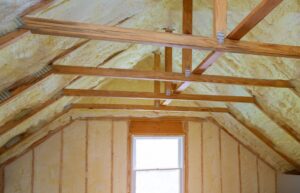
Poor insulation melts frost unevenly, leading to mini ice dams and moisture problems.
Ventilation
Can your attic breathe?
Good airflow prevents condensation, mold, and wet wood.
Roof Age
Is your system nearing retirement?
Older roofs crack and shift more during freeze‑thaw cycles.
If you’re not sure how your roof stacks up, let us walk it with you. Winter inspections are one of our specialties.
5 Winter Roof Prep Steps Every South Texas Homeowner Should Know
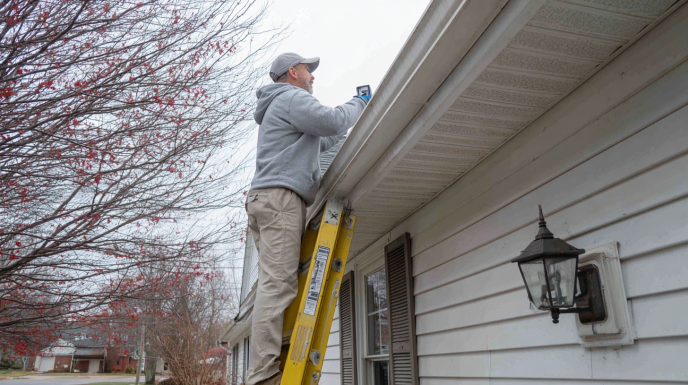
1. Clear Out Gutters and Downspouts
Leaves pile up fast in the fall. Once temps drop, trapped water becomes ice, and that’s when ice dam roof damage sneaks in. Clean gutters keep water moving.
2. Check for Cracked, Curled, or Missing Shingles
The summer heat already weakens shingles. Winter just reveals the damage. Replace trouble spots early.
3. Seal Flashing Around Vents, Skylights, and Chimneys
Flashing is one of the first things to expand and contract with temperature swings. Any loose spots need sealing before winter hits.
4. Improve Attic Ventilation and Insulation
This combo keeps attic temps steady and reduces frost under the decking, a common winter issue we see in San Antonio homes.
5. Trim Overhanging Branches
Ice‑weighted limbs can scrape shingles or fall onto the roof. Keep branches trimmed 6–10 feet away.
What Truly Makes the Best Roof for Winter in Texas?
Shingles That Handle Temperature Swings
Architectural shingles flex better than old 3‑tab shingles and perform better in freeze‑thaw cycles.
Quality Underlayment That Blocks Moisture
Synthetic underlayment is tougher, lasts longer, and helps prevent issues caused by ice dams.
Ice & Water Shield Where It Matters
You don’t need this everywhere, but adding it around roof edges and penetrations helps block water if ice forms.
Proper Attic System
Good ventilation + insulation = fewer leaks, fewer cold spots, fewer winter headaches.
A winter‑ready roof isn’t fancy; it’s functional, durable, and built with the South Texas climate in mind.
Winter Roof Prep at a Glance
Before the next cold front sweeps through, here’s what to focus on:
- Clean gutters and clear all debris
- Inspect shingles, flashing, and sealants
- Improve attic insulation & ventilation
- Trim branches around the roofline
- Schedule a winter roof inspection
A little work now can save you thousands in repairs come spring.